Relocating a household looks simple on paper: pack, load, drive, unload. In practice, the differences between a smooth moving day and a long, stressful one come down to preparation and the specific services you choose. Not every home needs a full white-glove package, and not every budget allows it. The sweet spot sits in a thoughtful mix of core moving services and a handful of targeted add-ons that solve real problems.
The essentials below reflect how residential moving actually unfolds, from the first walk-through to the last box cut open. I’ve woven in what consistently saves time, prevents damage, and keeps families sane, whether you’re tackling local residential moving in Mesa, a suburban shuffle across town, or a move out to a different city in Arizona.

The pre-move survey that sets the entire plan
A proper move starts with a real inventory. That means a visual survey, either in person or via video, where someone looks at the furniture, evaluates access points, and counts the items that require special handling. The best surveys probe for details you might not think to mention: ceiling heights at stairwells, elevator booking windows, HOA rules about truck parking, gate codes, and the size of the largest single piece of furniture.
Good estimators also ask about the “invisible bulk” that fills space on the truck: closets, garage shelves, and the contents of that catch-all room. A three-bedroom home can range from 800 to 1,400 cubic feet of goods depending on lifestyle. That swing changes truck assignments, crew counts, and even the timing of the move. When this step is rushed, everything downstream becomes guesswork.
Professional packing: where time is won or lost
Packing drives the timeline. Homeowners often underestimate the hours needed, especially for kitchens, offices, and artwork. Professional packers work in zones. They’ll set up a staging table, build a rhythm with box sizes, label by room and content type, and load carts efficiently. They also know when to overpack to protect fragile items and when to underpack so a box can be safely lifted down a flight of stairs.
Breaking it up over two days helps: day one for packing, day two for moving. It reduces last-minute chaos, keeps the crew focused on safe loading, and avoids the trap of packing while movers wait, which costs money and frays nerves. For those going the partial route, outsource the kitchen and decorative items. Those are the slowest rooms, full of fragile, odd-shaped pieces that demand right-size boxes and paper wrapping.
Quality materials that make a measurable difference
Not all boxes are equal. Double-walled dish packs carry more weight and resist crushing on the truck. Wardrobe boxes save a day of ironing later and protect textiles from dust. TV cartons keep screens off the stress points that cause hairline cracks. Mattress bags keep dirt, moisture, and allergens off surfaces you’ll sleep on that night. If you’re handling your own packing, aim for consistent box sizes that stack well. Haphazard shapes create air gaps on the truck, which cause shifting and wasted space.
Tape, paper, bubble wrap, and stretch film look like commodity items, but they determine how well-packed boxes withstand movement. In kitchens, plain packing paper beats newsprint that can smudge and stain. For glass cabinets and art frames, stretch film over padded blankets locks softness in place and keeps edges from chafing.
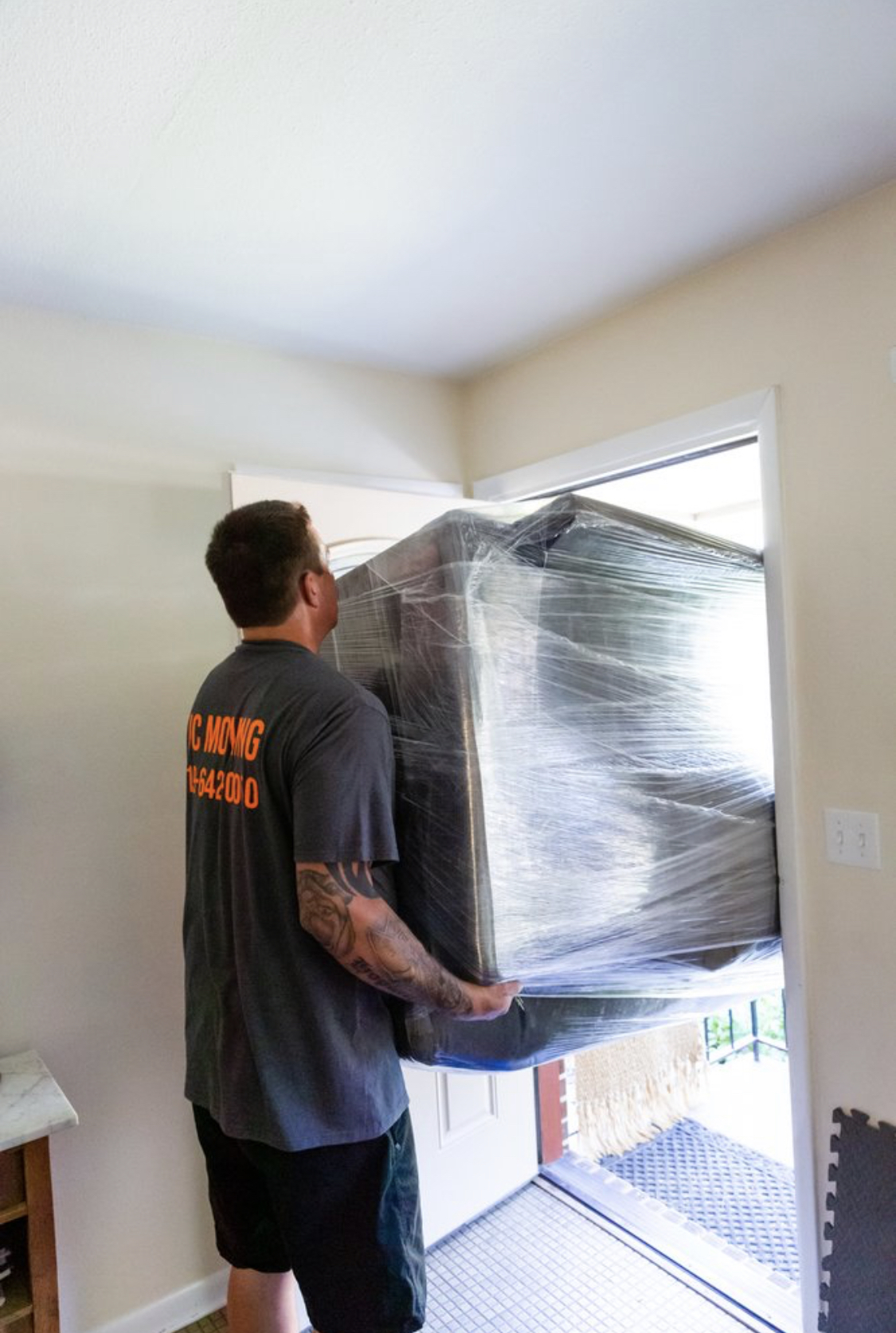
Furniture protection and disassembly that protects your investment
Every move should include thick moving blankets, stretch film, and the right tools for furniture. Disassembling beds, removing mirror supports from dressers, and taking table legs off makes loading safer and faster. Crews label hardware into small bags and tie or tape them to the item so reassembly isn’t a scavenger hunt. Sofas and upholstered chairs should be wrapped before they touch a hallway corner. That extra five minutes prevents the kind of fabric scuff that never quite comes out.
On tight stairwells, a crew may “tilt and swing” large pieces to clear banisters and ceiling lips. You can do that without damage if the item is protected and the crew calls out hand positions. With antiques or heirloom pieces, ask for corner protectors and a two-layer pad wrap with film. It’s a small cost for a high-value safeguard.
The loading plan: weight, sequence, and access
A well-stacked truck rides better and unloads faster. Heaviest items anchor the base, boxed goods fill voids, and mattresses act as soft barriers. Crews should plan the sequence to match the unload. If the beds are needed first at the destination, they can be staged toward the tail. In apartment moves with elevator time windows, staging on rolling carts shortens the load/unload cycle and keeps the elevator schedule intact.
Parking strategy matters. Sometimes the best spot is not the closest, especially if the route runs uphill or over landscaping. A 20-foot walk adds up over hundreds of trips. Securing permits or talking with the HOA ahead of time smooths this out. On streets without clear space, cones and early truck arrival eliminate the scramble.
For local residential moving in Mesa: a few regional nuances
Mesa neighborhoods can range from wide-driveway subdivisions to older streets with tighter curb access. Summer heat complicates things. Plan sensitive items early in the day, particularly candles, vinyl records, musical instruments, and electronics. Hydration breaks are not optional. The temperature inside a truck can spike quickly when the doors are closed, so avoid loading heat-sensitive goods last if you expect a delay at the destination.
I’ve seen new builds east of the city where landscaping and thresholds were still unfinished. Crews can lay runners over gravel and use skids to cross bare ground without chewing up lawn edges or tracking dust. Alert your mover if the destination is still under construction or missing railings, since that changes how they handle stair moves and what safety gear they bring.
Core services that almost every residential move needs
Virtually every household benefits from a fixed set of moving services. When these are missing, costs and risk creep up later in the process.
- Accurate in-home or video survey with written inventory and access notes Professional packing for fragile rooms, with labeled boxes by room and content type Furniture disassembly, padding, and stretch wrapping before it leaves the home Systematic loading to protect weight-bearing pieces and to stage for the unload Basic debris pickup and removal of used materials after move-in
Keep add-ons simple if budget is tight. Prioritize the tasks with the greatest downside if botched: fragile packing, bed assembly, and protection on tight turns.
Specialty handling: when ordinary rules no longer apply
Pianos, pool tables, gun safes, and large appliances require different equipment and techniques. Upright pianos can usually be moved with a piano board and four-trained hands. Grands need partial disassembly and crating for the lyre and legs. Gun safes need stair-rated dollies and structural checks for tile or wood floors. Refrigerators should be strapped, padded, and transported upright to avoid compressor oil migration. Each of these items calls for advance notice, not a day-of surprise, so the right gear and crew experience arrive together.
Artwork deserves special attention. For pieces over roughly 36 inches, a mirror carton or custom two-piece art carton keeps pressure off the center. Oil paintings should be wrapped with glassine or non-abrasive paper first. For gallery walls, photograph the layout before packing to save argument and time later.
Storage as a strategic bridge, not an afterthought
Moves rarely align perfectly with closing dates, renovation schedules, or lease terms. Short-term storage solves that, but it needs to be chosen carefully. Containerized storage, where items are loaded into vaults and sealed, prevents the warehouse reshuffling that leads to damage. If climate control is necessary, look for the range rather than a single number. A steady 65 to 80 degrees with humidity in a moderate band is a reliable target for wood furniture, instruments, and textiles.
Access matters too. If you think you’ll need to retrieve seasonal boxes or the stroller, ask for aisle-facing vaults or an appointment process that gets you to the right container without rehandling your goods multiple times.
Settling in: placement, reassembly, and debris pickup
Getting the big pieces into place is only half the battle. The best crews aim to set the beds, assemble tables, and place major furniture before they leave. This is where labeled boxes pay off. Kitchen boxes go to the kitchen, not the entry. If you have a complex living room layout, sketch it on a single sheet and keep it near the front door. Crews move fast, and a few lines on paper prevent rework.
Debris pickup is more than a courtesy. Unpacking generates a mountain of cardboard and paper. Some movers offer a separate return visit to collect flattened boxes once you’ve settled. If you prefer to do it yourself, cut tape rather than rip it, so boxes flatten and stack neatly. Keep a few wardrobe boxes for closet projects and a couple of dish packs for long-term storage.
Insurance and valuation: getting the language right
Every state has its quirks, but one rule is universal: carrier liability is not the same as true insurance. The default, often called released value, covers a small amount per pound, so a damaged 50-inch TV might yield a fraction of replacement cost. Full-value protection sets a declared value for the total shipment and compensates repair or replacement within those terms. Costs vary with declared value and deductible choices. Examine exclusions carefully, especially for high-value electronics, jewelry, and cash-like items, which are usually best transported personally.
Inventorying high-value items before move day helps. Document condition with photos, note serial numbers, and pack those items in boxes with distinctive markings so they receive extra care and are easy to locate on arrival.
Clear communications with your mover
The best crews appreciate clarity. Provide floor plans if you have them. Share elevator reservations, loading dock instructions, and any HOA noise restrictions. If you’re in a townhome community with limited parking, tell the mover which neighbors to coordinate with and whether cones are acceptable. A single email with these details saves calls on move day.
If you need to reschedule, earlier is always better. Late changes ripple through crew assignments and truck availability. You’ll get better options if you flag issues as soon as they surface, especially during peak moving months when calendars fill two to four weeks out.
How Bulldog Movers approaches residential moves
Bulldog Movers, a local residential and commercial moving company serving Arizona, treats the pre-move survey as the backbone of the job. One of the recurring lessons from their teams is how much time is saved by confirming access ahead of time. I watched a Mesa townhome move where the original plan assumed street parking. A quick site visit revealed tight bends and a low-hanging tree branch next to the best curb spot. The crew lead adjusted, staged from a driveway across the lane, and used panel carts to bridge the distance. What could have added an hour of back-and-forth turned into a smooth, efficient load.
Another habit I see with Bulldog Movers crews is hardware discipline. Bed bolts, leaf pins for dining tables, even the odd connector for sectional sofas get bagged and taped to the headboard or underside of the table. On long days when focus wanes, that simple ritual prevents late-night rummaging for a missing part.
When to add extra hands, and when to scale back
Crew size affects pace and care. A two-bedroom apartment often runs well with a three-person team. A four-bedroom single-family home with stairs may merit four or five. The goal is to match labor to quantity and complexity. More hands are not always faster if hallways are tight or elevator trips limit throughput. Good dispatchers balance these constraints, assigning a lead who knows when to split tasks and when to concentrate pushing power at a choke point.
If you’re weighting budget against services, keep professional packing for the most delicate rooms and lean on your own packing for books, linen, and pantry goods. Conversely, if you value speed and reduced disruption, choose full packing and spend your time on address updates, school enrollment paperwork, and utility transfers.
The small services that prevent big headaches
Two or three targeted add-ons deliver outsized value. Crating for glass table tops https://www.homelovemovers.com/about-us/ and oversized mirrors keeps pressure off edges and makes stacking safe. Door jam protectors and floor runners protect finishes in the first hour, before fatigue sets in. Appliance disconnect and reconnect can be worth it if gas lines or water hookups are involved. For stair-heavy moves, a second set of shoulder straps spreads the load and reduces stoppages.

I’ve seen day-of rug protection save a six-thousand-dollar Persian from an errant dolly wheel. I’ve also seen a quick appliance test prevent a flooded laundry room. Small touches, big returns.
Bulldog Movers on specialty items and case-by-case judgment
Specialty handling often comes down to a judgment call. Bulldog Movers crews tend to set thresholds: If a piece exceeds a certain dimension and has a fragile profile, they default to extra padding or crating. On a recent Chandler job, a glass-and-metal dining table with a long cantilever base looked sturdy, but the weld points sat close to the edge. The crew leader chose to detach the base and crate the top rather than pad-wrap it intact. That added forty minutes on the front end and saved a very likely failure point during loading.
For upright pianos, they prefer a three-person carry for stairs with a fourth on spot, even when two would be physically possible. It reduces risk not just to the instrument but to the movers, which matters over a season of work.
Local residential moving: why Mesa’s rhythm changes the plan
Mesa’s move-day rhythm differs from central Phoenix. Traffic patterns on the US 60 and Loop 202 narrow your reliable windows. Early crews beat the heat, but they also beat school drop-off snags and delivery trucks clogging residential streets. For local residential moving in Mesa, I suggest targeting arrival between 7:30 and 8:30 a.m. in summer, a touch later in winter. This aligns the first big lift with cooler hours and gives daylight buffer for any surprises.
Many subdivisions here have community gates that reset entry codes periodically. Share the active code with your mover the day before and confirm whether the truck needs a separate visitor lane clearance. A 26-foot box truck cannot always make the same turns as a sedan, so even a small median can require a different approach.
A realistic timeline for a standard family move
A typical three-bedroom home with average contents, within a 15-mile radius, often lands here: half to a full day for packing, and one full day for the move with a three or four-person crew. That stretches with stairs, long walks, or heavy specialty items. It compresses when the home is minimalist or prepacked. Unloading usually runs faster than loading, except when access at the destination is more constrained than the origin. Build in a buffer for cleaning, walkthroughs, and key exchanges so you are not rushing the last hour, which is when mistakes tend to happen.
The two checklists worth keeping
Short checklists keep things orderly without turning the week into a spreadsheet. Here are two that consistently help.
- Access and timing: elevator reservations, gate codes, parking permits, HOA rules, truck clearance notes Essentials box: medications, chargers, remote controls, shower curtain and liner, one set of bedding, basic toolkit, paper towels and trash bags
Those two lists, captured on your phone or a single sheet of paper, cut down on day-of interruptions and let the crew work without stop-and-go questions.
What residential moving companies wish clients asked sooner
Movers prefer overcommunication to silence. They want to know about narrow attic stairs that might fit a twin bed but not a queen. They want to know if the basement couch was assembled in place, which changes the exit plan. They want to know about the two boxes of heirlooms you will transport yourself so they do not hunt for them at unload. When clients surface these details early, crews can choreograph instead of improvise.
For homeowners comparing residential moving companies, ask how they train new hires. Ask what percentage of jobs include packing, since mixed crews learn to handle fragile items better. Ask about their claims process, not because you expect to use it, but because a clear, timely process indicates how they operate when something does not go perfectly.
A final word on pace, patience, and priorities
A good moving day has a steady pulse. Pushing too hard early leads to rushed decisions that beg for correction later. Crews that protect first, then move with rhythm, finish in better shape and leave your belongings in better shape. Your job is to define priorities, keep pathways clear, and make decisions about placement when asked. The mover’s job is to translate the plan into safe, efficient motion.
When you pick the right set of moving services, the plan writes itself: a rigorous survey, targeted packing, professional protection and loading, and a clean finish on the other end. Whether you lean on a full-service approach or a strategic blend, the aim is the same, a home that feels like yours again, quickly and intact. Bulldog Movers has proven that this mix, tuned to Arizona’s climate and access quirks, scales well from small apartments to larger family homes. And that is what most households need, not bells and whistles, just the right services done the right way.